

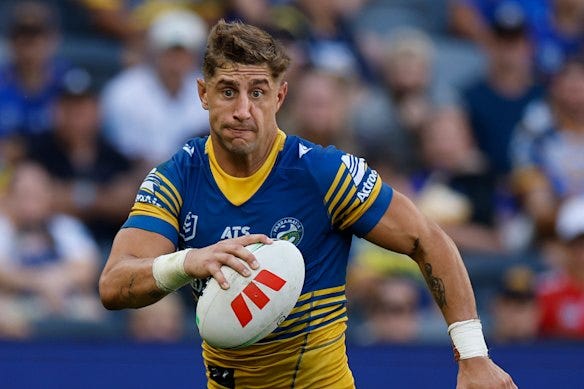
We’re still in January, the bright lights and mystique of the sacred Preseason Challenge is several weeks away and yet, rugby league has wasted no time in delivering a story so nonsensically idiotic that you’d be forgiven for thinking it was spun up by Grok with a Betoota Advocate prompt for a rugby league headline.
Zac Lomax, you may be familiar with his name, as a representative winger for NSW and Australia, took the leap of faith1 and signed with World Series Cricket wannabe vanity project Rugby 360, a sportswashing endeavour disguised as the pursuit of sporting excellence or whatever, knowing the consequences2 of such a decision would be a punitive decade long ban from the NRL.
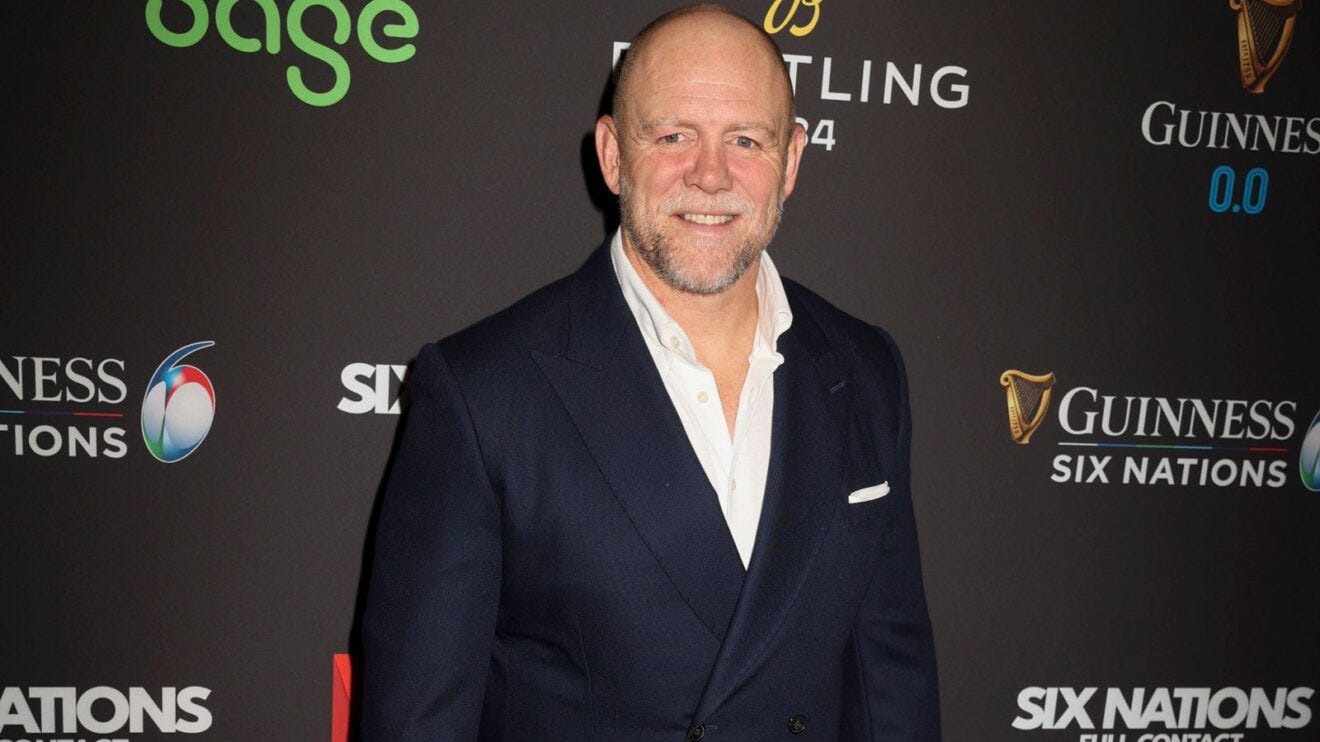
The R360 story first began emerging last year as a breakaway competition sought to disrupt the stodgy homogeneity that had become of rugby union (allegedly anyway, I have no desire to watch the 15-man code having attended a rugby school and had the Gilbert forced down my throat at every sports assembly). The competition, due for commencement in 2028 and backed by British royal family member and 2003 World Cup winner Mike Tindall, aims to tour the globe in a Formula 1 style calendar of exhibitions.
Sounds riveting.
Anyway, I’m not here to provide opinions on R360 or breakaway competitions or British royals because quite frankly, I don’t care about any of them, and while the actual existence of this competition was always, in my mind, tenuous, the threat of players (and more accurately, player agents) having their head turned by ludicrous sums of hypothetical oil money was ever present. It had the potential to tear away at the NRL without ever actually coming to fruition.
Enter Zac Lomax.
Lomax, along with other names like Payne Haas, Angus Crichton and Ryan Papenhuyzen, headlined the target list for the competition for various reasons, and while Papenhuyzen actually did leave Melbourne (reasons for which would later emerge to be personal and not R360 related), none of the other names came to any endgame for the rebels, except Lomax, who walked out of the Parramatta Eels one year into a four year deal to link up with the competition, or so we thought.
I don’t know what goes on in the boardrooms of Riyadh but apparently what was whispered to Lomax through linen robes lined with wads of Saudi Riyal spooked him enough to abandon the project, return to Australia and beg for forgiveness by doing the one thing sure to get the entire Australian rugby league public on board with his plight…request to join the Melbourne Storm.
Remember that ten year ban for anyone who signed with the competition? Yeah that was a load of horseshit. Lomax has come back whimpering with his tail between his legs and the ARLC have fallen for the puppy dog eyes schtick3.
Reading about the situation, apparently the ban doesn’t apply to Lomax because he never technically signed with the rebel competition, although I’d argue the intentions of his release were abundantly clear, but anyway that isn’t the issue here. I’m not against the return of good players to the league, and Lomax is obviously a good player4, but the biggest issue here is the rights of the Eels.
Upon his release, it was agreed between both parties that Lomax wouldn’t be allowed to negotiate with other clubs upon his return should that eventuate. I don’t know the exact terms, but I imagine it would be something along the lines of exclusivity for the length of the deal he signed, which was due to expire after the 2028 NRL season, giving the Eels leverage should R360 predictably tank spectacularly.
Now that we’re in this timeline, the Eels and Jason Ryles, shockingly, want nothing to do with Lomax. After all, he was a marquee recruit who was playing career best footy on the wing, was a NSW representative for the club, and one of the few bright spots in an otherwise disappointing season, abandoning the ship after one season to sign with a mirage in the desert. With the money vacated by Lomax’s release, the Eels have snapped up Brian Kelly (a player I will never stop believing in) and are believed to be targeting forwards, a more valuable and rarer commodity than above average wingers in the eyes of Jason Ryles.
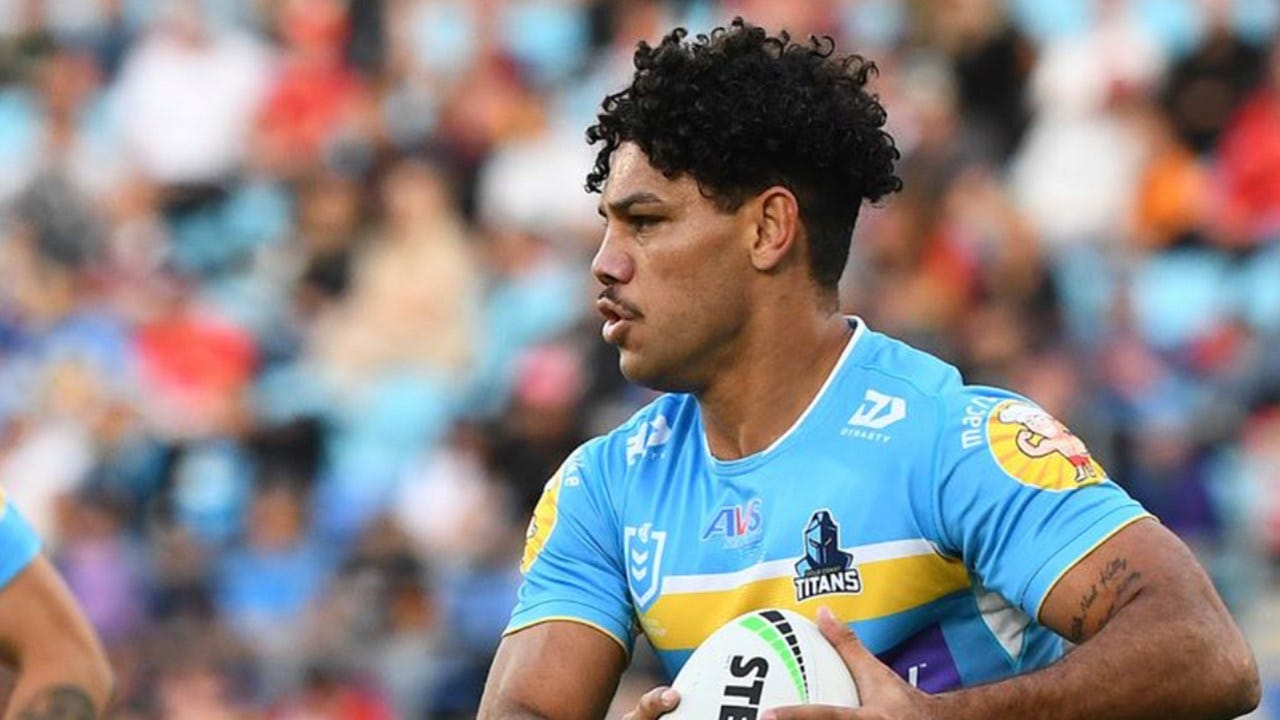
Melbourne have offered the Eels $200K in compensation for the Eels to allow Lomax to leave, a figure which would eclipse the fee paid to the Tigers by Canterbury for Lachlan Galvin, but the Eels have dug in and claimed only a player swap would be worth entertaining, for a name like Stefano Utoikamanu (an Eels product), Jack Howarth or Xavier Coates.
The Eels are within their rights to dig in and play the hardest of hardballs here, otherwise what would be the point of agreeing to the terms of the release in the first place.
The NRL’s apparent willingness to step in and grease the wheels of any potential negotiations is where the system begins to get rotten. According to reporting, the NRL is ready to intervene should the Eels continue to reject offers that are deemed “reasonable.”
Two things here.
Who is deciding what a reasonable offer is? These are one in a million circumstances for the NRL, there is no precedent, or a shaky one at best.
Why does the NRL feel they have the right to tell the Eels what they should consider reasonable?
To me, point two is the more important one in upholding any faltering illusions of the game being run democratically. It isn’t within the remit of the NRL to tell Parramatta how to handle their distressed asset.
For my basketball fans out there, consider the vetoed trade that would’ve sent Chris Paul to the LA Lakers in 2011. The NBA was coming out of a labour lockout that delayed the start of the season (which would ultimately be shortened), and the league had purchased the New Orleans Hornets (the team Paul played for at the time) due to the previous owner struggling to meet financial demands and cover losses.
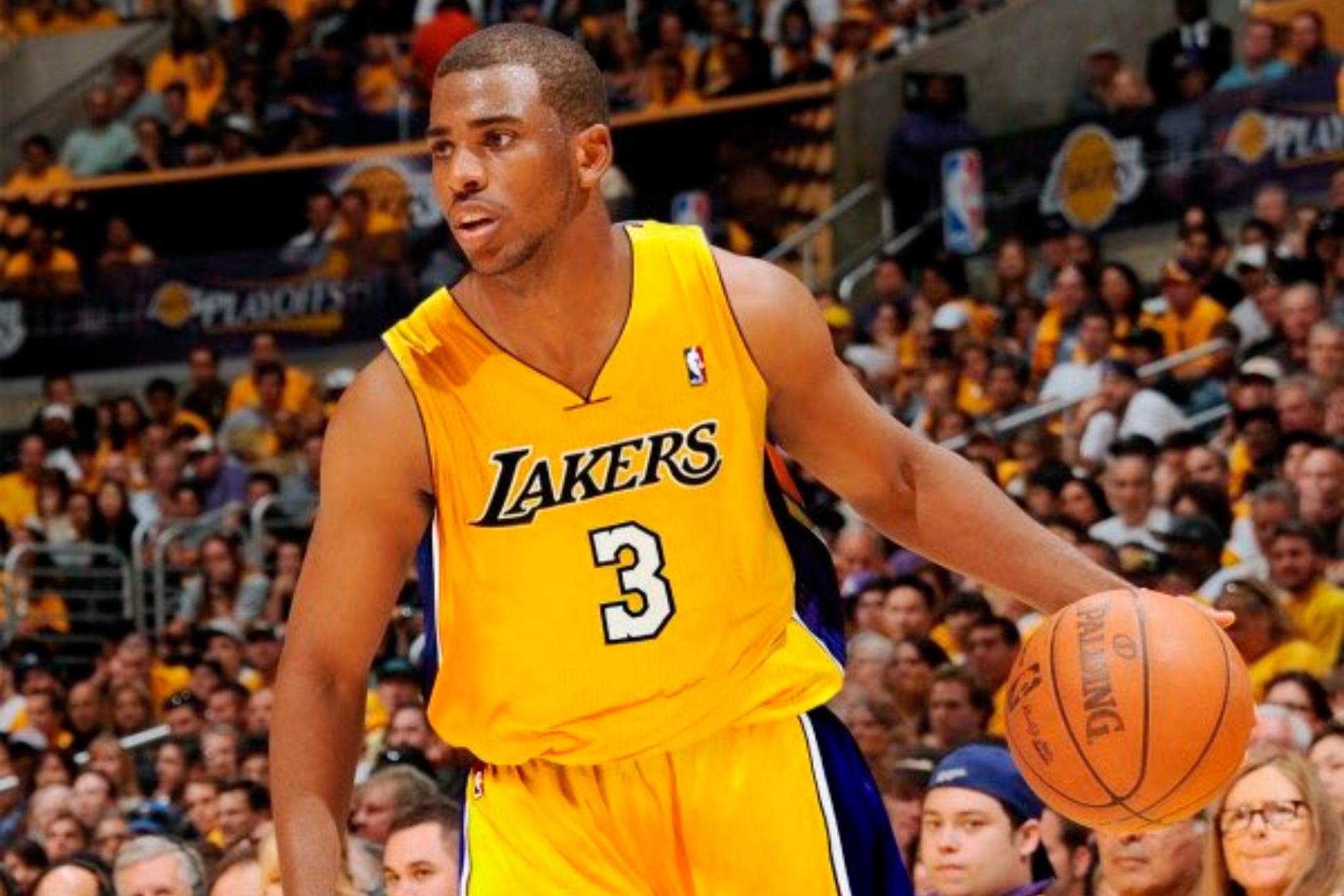
That vetoed trade was a watershed moment for the NBA because it shone a light on how powerful the owners were. The trade was reported and a framework agreed; and then called off due to pressure from other owners for the league to step in and cancel the deal, all in the space of about four hours. The official line of reporting spoke about how owners were concerned about the movement of money and the new collective bargaining agreement citing player movement and bird rights (basically a team’s ability to go over the salary cap to re-sign a player, NBA jargon is a labyrinth, it would take too long to get into it now).
That ordeal was a mess, but if you squint hard enough you can at least see a base layer of justification given the league was, at the time, in charge of the franchise in question, even if the reasoning for the sudden retraction of the deal was fraught at best.
The NRL has no greater stake in Parramatta or Melbourne than any other team and stepping in would be an overreach of power. The precedent it would create for the NRL to lean a heavy hand on the shoulder of the Eels would cause irreversible distrust in a system that already treats contracts like the day-old newspaper fish and chips are served in.
The league stepping in would not only be criminally unfair to Parramatta’s self-made bargaining position, but it would also totally undermine any semblance of authority given the previous comments from Peter V’Landys about those who seceded to rebel overtures.
You absolutely will be banned for life if you signal an intention to sign for R360…except if I can find a technicality to help you out because I’m a great guy.
Never have faith
As much as consequences exist in a) rugby league and b) rugby league administered by Peter V’Landys
I like to imagine Lomax turning up on V’Landys’ doorstep one rainy evening and Peter ruffling his hair like the scoundrel he is
Subscribe to the Beyond the Goalpost newsletter for more hard-hitting analysis like this
Bang on. I have no doubt PVL will screw the Eels on this one. Hopefully they take it to the highest court in the land.